Sip and Share Therapy
Warm Brews and Healing Views
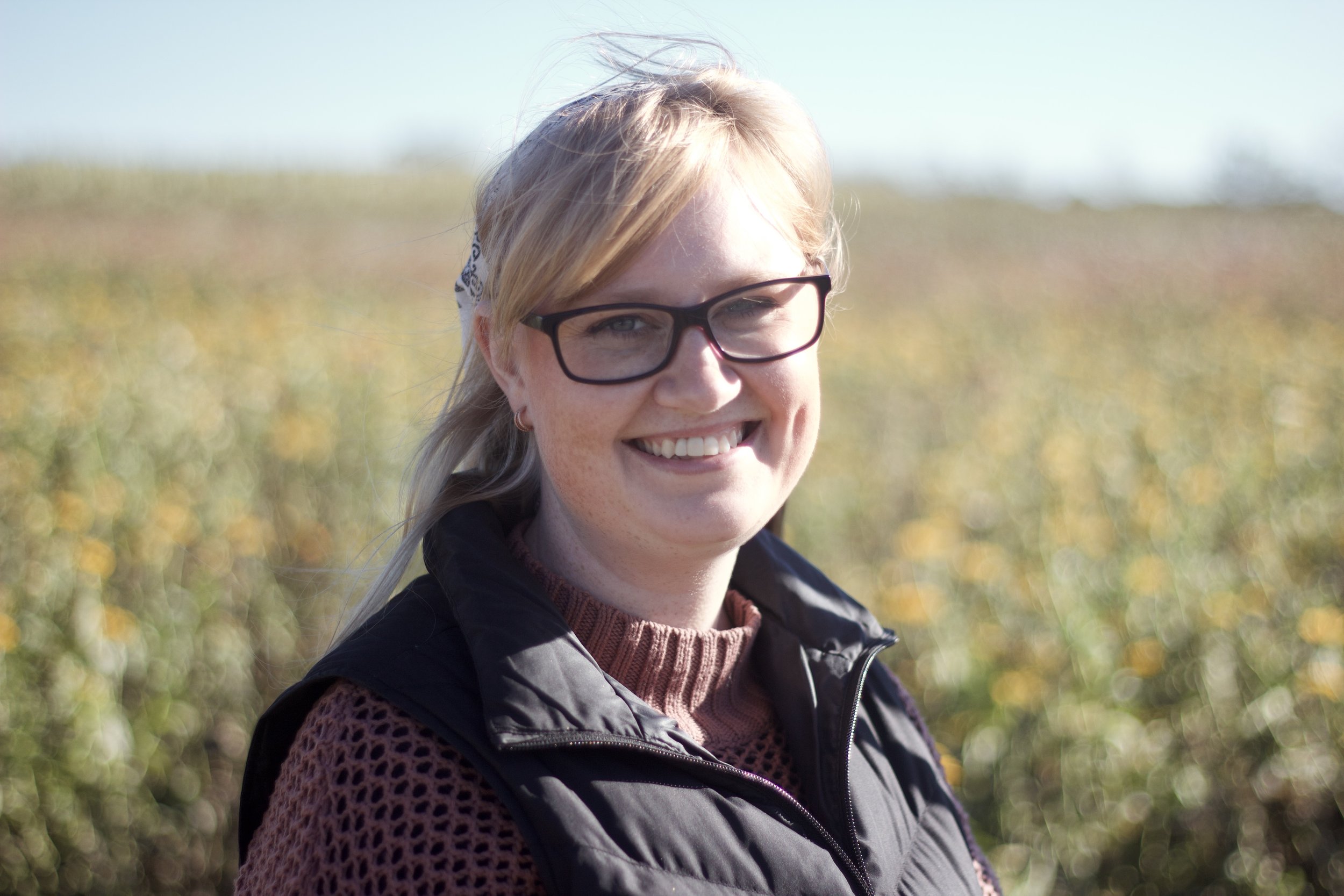
Charity Duerksen - MA, LPC
Clinical Supervisor
EMDR Certified
Charity Duerksen - MA, LPC Clinical Supervisor EMDR Certified
My Mission
Sip and Share Therapy is dedicated to providing a safe and welcoming setting with an aim to reduce stigma around mental health. My goal is to empower clients to take an active role in their healing journey by creating a warm, inviting space where individuals can share their thoughts, feelings, and experiences over a comforting drink. My purpose is to empower individuals to express themselves and nurture their emotional health in a friendly, comfortable environment. A place where you can sip, share, and heal!

Things You Might Be Wondering
What led you to pursue a career in mental health?
“From a young age, I realized I had a natural ability to listen and connect with others. I loved hearing people’s stories, creating safe spaces where they felt they could trust me, and offering support in whatever ways I could. As I grew older, I discovered how passionate I am about helping people find something better than what they may believe is possible for themselves.
Like many, I’ve experienced trauma, and through my own healing I’ve found a sense of peace that I now feel passionate about helping others discover. I know how dark and hopeless things can feel at times, and I want to walk with people through those moments so they can reach a place where they feel strong and empowered again. To me, healing isn’t about never feeling pain, it’s about being able to face those difficult moments without feeling like you’re drowning.”
What can people anticipate in sessions with you?
“My goal is for all my clients to feel a calm, supportive atmosphere where they feel safe and comfortable, even when sessions are emotionally challenging. My style is conversational and approachable (like talking with a trusted guide over coffee) while still engaging in meaningful, productive work. I’ll gently challenge you and offer honest reflections, always staying mindful of your comfort level. My aim is for you to feel both supported and stretched, while feeling seen and understood.
What do you do to continue growing professionally?
"I’m always pushing myself to grow, both in my personal journey and in my work with clients. When I start to feel stuck, I make it a priority to seek out supervision, trainings, or other learning opportunities so I can engage more deeply and effectively with those I’m working with. I hold high expectations for myself and try not to get too “comfortable,” because I know there is always more to learn. The field of therapy is constantly evolving, and I believe it’s my responsibility to stay current with new research and best practices to ensure ethical, thoughtful care for every client.
And honestly, I learn the most from my clients. I’m deeply grateful for everyone who has trusted me with their story—each of those experiences has shaped my professional growth and has made me the therapist I am today."
What are you currently passionate about in the mental health field?
"For me, I get embarrassingly excited when talking about Eye Movement Desensitization and Reprocessing (EMDR) and Internal Family Systems (IFS)/Structural Dissociation. I could honestly spend hours discussing how the brain reacts to trauma and how it naturally protects itself. I’m especially passionate about how our bodies hold onto trauma and how ‘simple’ techniques like EMDR and Parts Work can help people process those experiences. I love being able to support individuals in finding peace and healing from their past so they no longer feel stuck or defined by it.
How do you gauge progress and success for your clients?
"I gauge progress and success by how my clients show up for themselves and the effort they put into their growth. I love challenging clients to reach the goals they’ve set and celebrating with them when they do. Often, clients feel discouraged when they focus only on the end goal, so I love being able to help them notice the small steps they’ve taken along the way. I also remind them that progress isn’t always a straight line as it can mean holding steady or even feeling like a step back sometimes, and that’s completely okay. Success, to me, is about showing up with self-compassion towards themselves, especially when things feel difficult."
How long have you been practicing?
“I have been practicing for four years, including two years of internship, two years of supervised, and I’m now in my first year of practicing independently.”
What degrees/certifications do you have?
“I earned my undergraduate degree in Social Work, which has helped me develop a big-picture perspective surrounding someone’s situation. I then completed my graduate degree in Clinical Mental Health Counseling. I’m certified in EMDR and am currently working toward becoming an EMDR consultant. I have taken multiple in depth trainings around IFS which has allowed me to feel confident in utilizing this model. I continue looking for ways to increase my knowledge in utilizing EMDR and IFS techniques, and trainings to further my knowledge and confidence in working with dissociation.”
How do you incorporate feedback from clients?
“I encourage open communication with all of my clients and welcome feedback at any time. If something I’m doing isn’t working for you, or if you don’t resonate with something I said or an approach I took, I want to hear about it. I’m open to both positive and constructive feedback because my goal is to support you in the best way possible throughout your journey.”
What is your communication style—more structured, more collaborative, more reflective?
“My communication style is flexible dependant on the person I’m working with, but it’s usually collaborative. I follow your lead when it comes to knowing when to challenge, when to be more reflective, and when to take a more structured approach. My goal is to adapt in a way that best supports your growth and comfort in therapy.”
How do you handle moments when therapy feels challenging or stuck?
“When therapy feels challenging or stuck, I try to take a collaborative approach with my clients. Together, I like to explore what might be contributing to the difficulty and identify any barriers that are getting in the way. From there, I work on creating a new plan or approach with my client that helps our sessions feel more productive and addresses anything that could be causing the feelings of difficulty.”
How do you take care of your own mental health?
“I maintain professional boundaries by being very intentional about separating work from personal time. I don’t respond to emails, complete notes, or handle work-related tasks outside of my scheduled hours - whether in the evenings, on weekends, or during vacation. Additionally, I try to take an extra day off once every month or two to allow myself to reset, along with a longer break every 4–5 months. I prioritize clear communication with my clients during sessions and throughout the workday, which allows me to fully step away when I’m off the clock. This helps me protect my own mental health and prevent burnout, so I can be fully present and effective when I am working.”